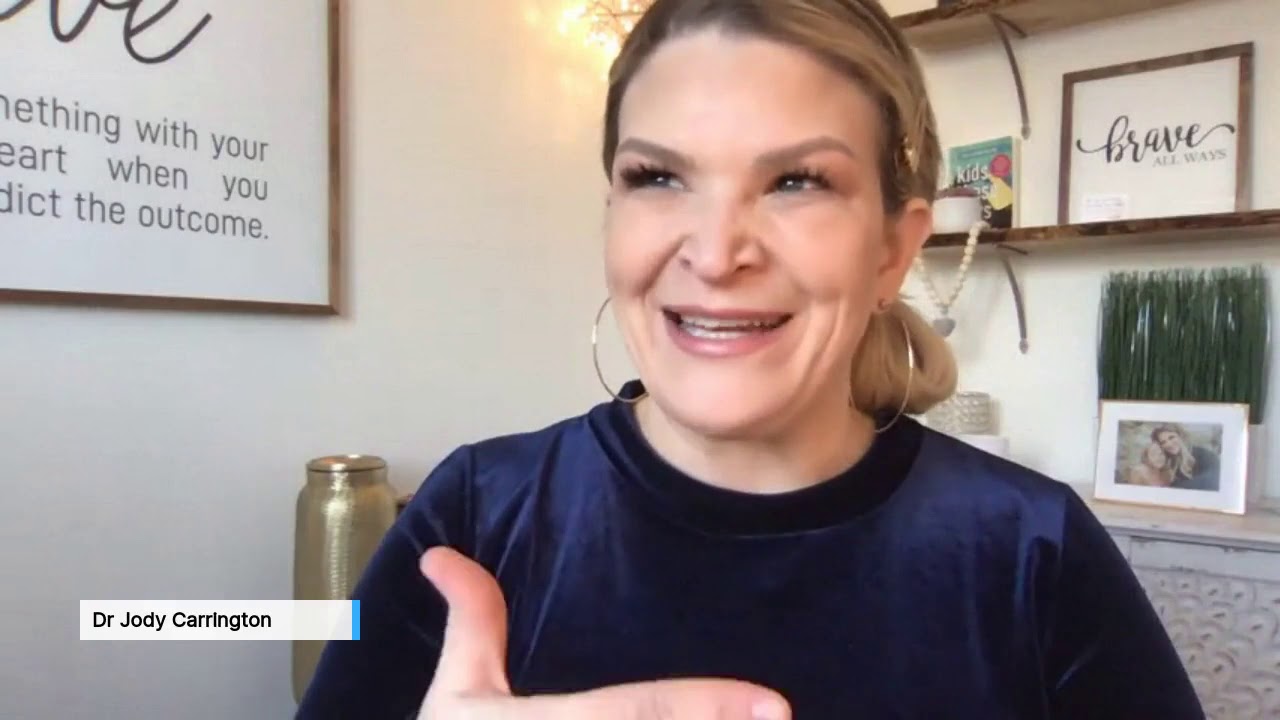
The calls are hard. The expectations are high. And the weight of what you carry doesn't always end when the shift does. Historically, we do a very poor job of looking after our first responders, the ones who relentlessly show up on other people’s worst days. Turns out that if they’re not okay, they will not be able to serve for long and be well at the same time. Also, there is very little infrastructure set up to care for or support first responder spouses and their families. As a former Civilian Member of Canada’s national police force, the Royal Canadian Mounted Police, Dr. Jody Carrington has a deep and personal commitment to supporting first responders, emergency personnel, and their leaders to understand the impact of trauma, navigate burnout, strengthen relationships, and find their way back to themselves.

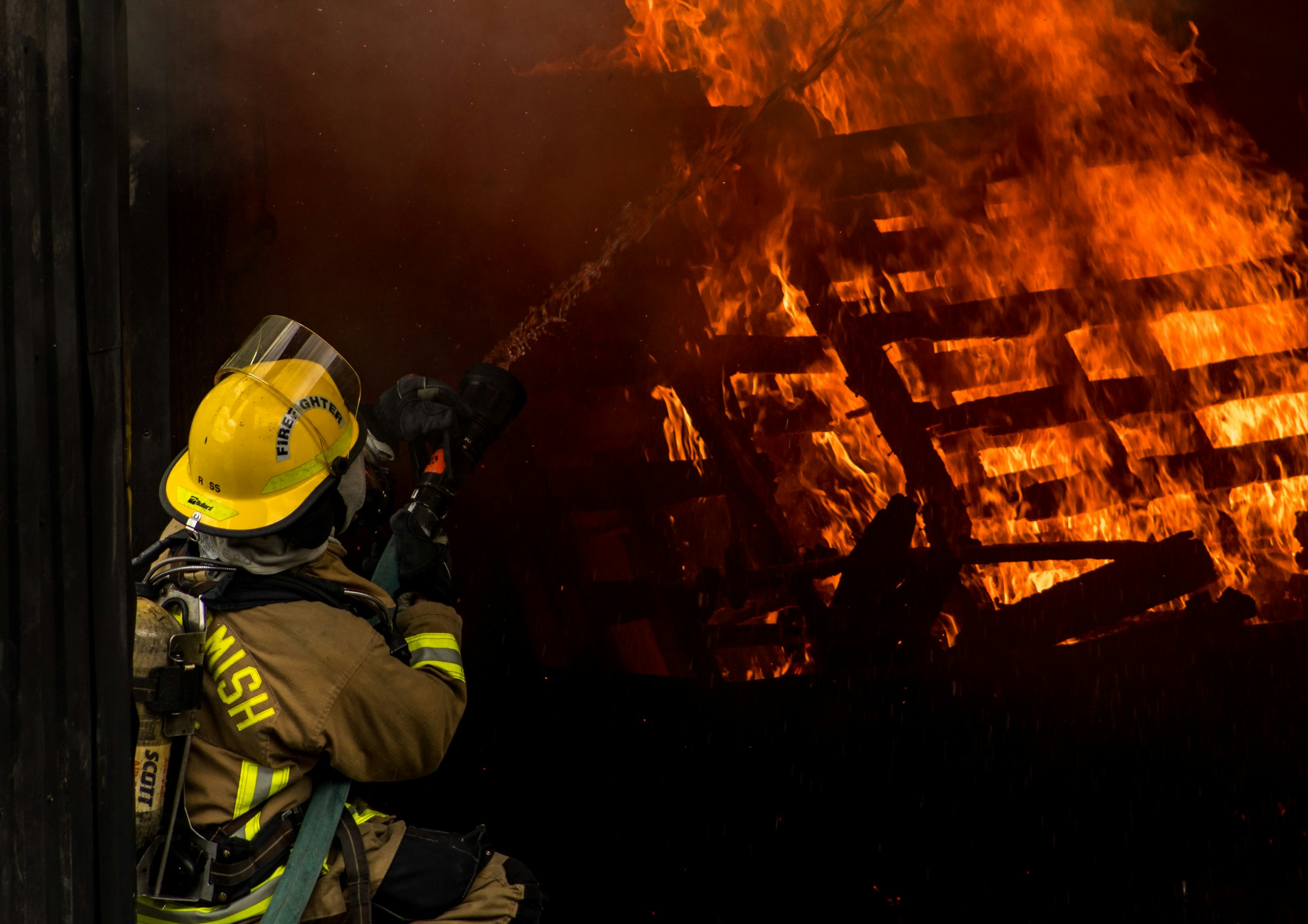
You see things most people will never see. You make impossible decisions, show up in the hardest moments, and then somehow you're expected to leave it all behind when the shift ends. But here's the thing: you're human, too. Acknowledging what this work asks of you isn't weakness. It's understanding that even the strongest among us need a place to put down what they've been carrying
When your job requires you to stay alert, respond quickly, and be ready for the worst, your body can have a hard time switching that off. The hypervigilance, the exhaustion, the short fuse, the feeling that you can never quite relax? Those can be human responses to extraordinary demands. Understanding what's happening in your nervous system is the first step toward finding your feet, even when the world around you doesn't slow down.
You'd never send your partner into a dangerous situation without backup. So why do we expect ourselves to carry the emotional weight of this work alone? Connection matters in the station, on the road, and at home. It's in the check-ins after a hard call, the conversations we don't always know how to start, and the people who remind us we're more than the job we do. Because nobody was meant to do this alone.
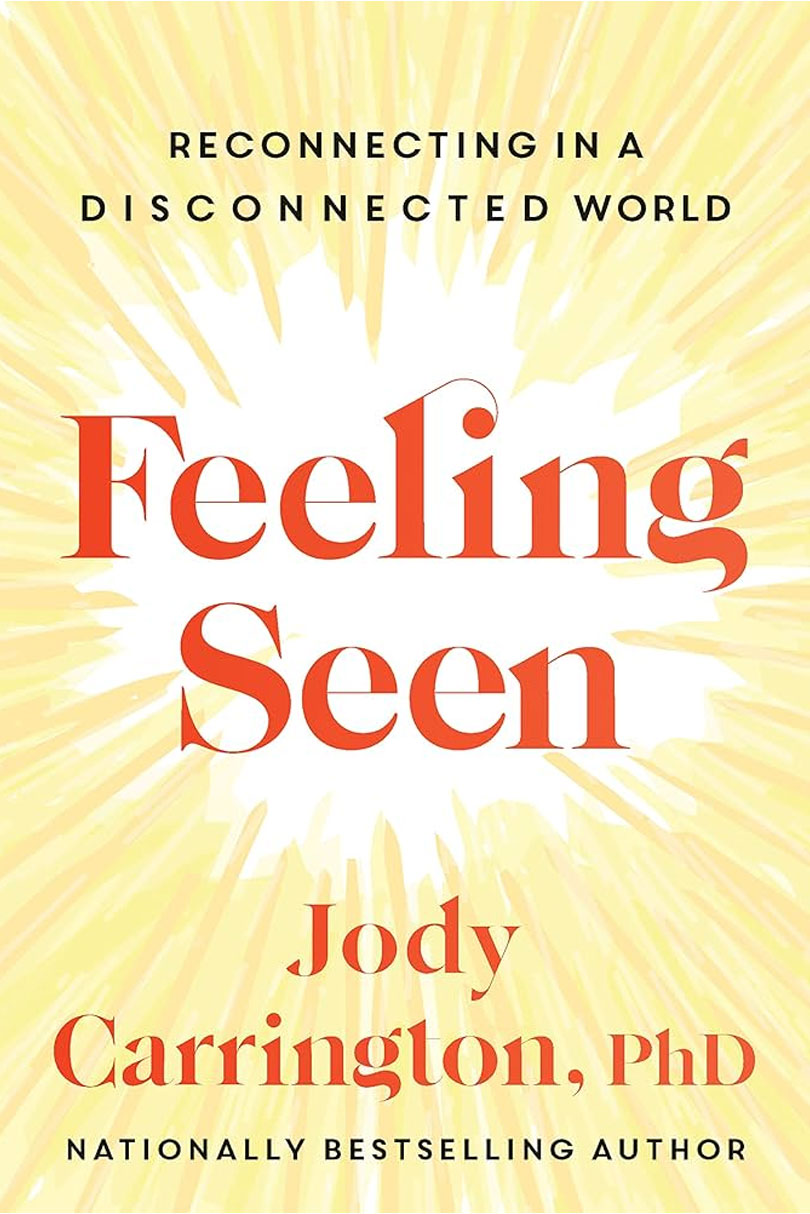
Feeling Seen examines how and why humans are so disconnected right now, worse than we have been in the history of the free world.

This book is for the educators: our teachers, bus drivers, administrators, educational assistants, librarians, administrative assistants, and custodians. And anyone who leads, loves, and supports them.
Dr. Jody doesn't just understand trauma from a textbook. Her career included serving as a Civilian Member of the RCMP, her research in both her Masters and her PhD centered around first responder organizational stress and trauma, and her work as a clinical psychologist has given her a deep appreciation for the humans who show up when the rest of the world is falling apart. She understands that the weight of this work doesn't always end when the shift does. Through science, storytelling, and honest conversations, she helps first responders and their leaders understand the impact of trauma, the importance of connection, and what it takes to care for the people who care for everyone else.
Because your nervous system doesn't come with an off switch. When your job requires you to stay alert, make split-second decisions, and prepare for the worst, your body can stay in protection mode long after the call is over. Dr. Jody helps first responders understand how repeated exposure to stress and trauma can affect emotional regulation, sleep, relationships, and the ability to feel present. Recognizing what's happening in your body isn't a sign of weakness. It's a step toward understanding what you need.
Here's the hard truth: the people closest to us often feel the weight of what we carry, even when we never say a word about it. Stress, withdrawal, irritability, and emotional exhaustion can make connection at home difficult. Dr. Jody explores how the demands of first responder work can affect relationships and why understanding those responses matters. Because the people waiting at home don't need you to be invincible. They need opportunities to stay connected to the human underneath the job.
In a profession built on being the strong one, admitting you're struggling can feel like the hardest call you'll ever make. But here's what we know: even the strongest humans need backup. Dr. Jody helps leaders and teams understand why psychological safety, acknowledgment, and connection matter so much in high-pressure environments. It's about creating a culture where people can have honest conversations, look out for each other, and know that asking for support is part of being human, not a failure to do the job.
Absolutely. Every first responder community has its own culture, challenges, and experiences, but the need for connection is universal. Whether you're bringing together frontline personnel, leadership teams, dispatchers, or spouses and partners, Dr. Jody works with organizers to understand the people in the room and what matters most to them. Her presentations combine clinical insight, humour, powerful storytelling, and practical strategies that resonate both on and off the job.
We'd love to hear what you're planning! Whether you're organizing a department-wide training day, leadership retreat, wellness event, or conference, the first step is reaching out to Dr. Jody's team. Tell us about your audience, your event date, and the challenges your people are navigating. We'll help you explore the right keynote or workshop and discuss how Jody can bring a meaningful conversation about trauma, regulation, leadership, and connection to your people.